
Over the course of my PhD, I’ve developed an interest in science policy. To explore this further, I sought out opportunities to understand how science and policy intersect, and how researchers can better engage with the policymaking process. This led me to the Science Policy: Improving the Uptake of Research into UK Policy course, run by Wellcome Connecting Science in August 2025.
What the Course Covered
The programme brought together experts from across the UK science policy landscape from Parliament and government, to research institutions, advocacy groups, learned societies, charities, and trade associations. Each session explored a different part of the policy ecosystem.
- How research informs policy – Understanding the policymaking process, key moments for influence, and hearing first-hand from a scientist active in both UK and international policy.
- How policymakers use research – A look at how Parliament, government, and the civil service work, and practical routes for researchers to engage (e.g. POSTnotes, select committee evidence, All Party Parliamentary Groups).
- Perspectives from advocacy organisations – The role of charities, academies, and funders and how they collaborate to amplify impact. I was particularly drawn to PHG Foundation’s projects on genomic policy.
- Parliamentary perspectives – Hearing from parliamentarians on how scientific evidence informs their legislative and scrutiny work.
- Creativity and foresight – Exploring novel approaches to policy work such as Wellcome’s Policy Lab pilot projects and Nuffield Council on Bioethics’ horizon scanning.
- Science communication and people-centred policy – The value of creative storytelling and framing evidence in human terms.
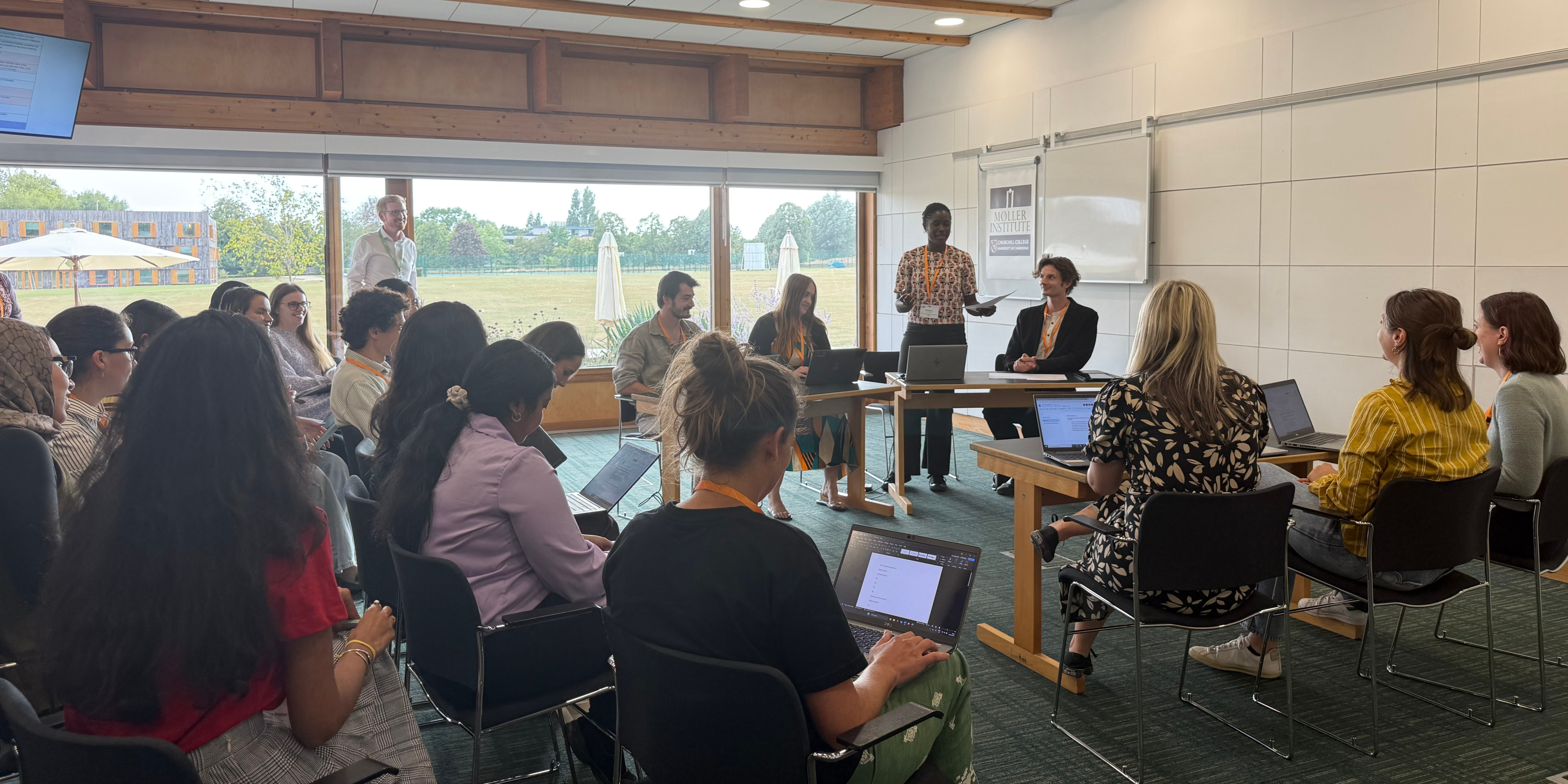
A highlight for me was the group work. We ran a mock select committee inquiry on the promotion of vaping as an alternative to smoking, taking on different stakeholder roles from government and NHS, to youth charities and industry. We examined evidence on effectiveness, safety, regulation, messaging, and economic impacts.
I had the chance to chair the committee hearing (see image below), which was followed by drafting recommendations in a final report. It was a brilliant way to experience the dynamics of policymaking first-hand.
Key Takeaways
Throughout the course, a few lessons really stood out to me:
- Communication is central: Knowing your audience, framing findings in context, and using storytelling to make data relatable.
- Relationships matter: Policy engagement often happens through building trust and shared interests with policymakers.
- Timing is (almost) everything: Opportunities for influence are often shaped by timing and sometimes, by the unexpected.
- Change takes time: Policy impact can be slow, but persistence and clarity of purpose matter.
- Novelty can be powerful: New ideas or approaches can gain traction simply by being fresh and different.
Most importantly, I came away with a deeper appreciation of how research can (and should) connect with the wider processes that shape health and society.
Final Reflections
The speakers were knowledgeable, generous in sharing their experiences, and encouraging about the many routes into science policy. I particularly valued the openness of fellow participants, the collaborative spirit of the group work, and the new connections I’ve since made on LinkedIn and Bluesky.
This course confirmed for me that science policy is not just about institutions and processes, but about people, communication, and timing. It also gave me the confidence to continue exploring how I, as a researcher, can contribute to bridging science and policy.